
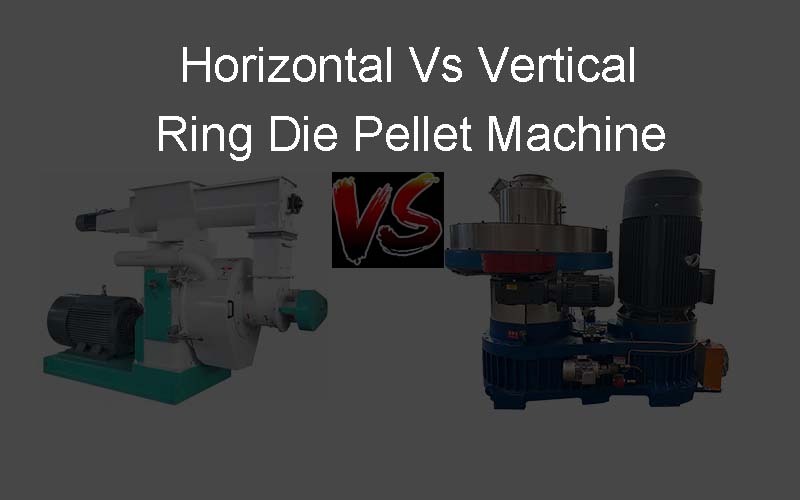
Vertical vs Horizontal Ring Die Pellet Mill: Key Differences
Vertical pellet mills and horizontal ring die pellet mills are both used to press prepared material through a die, but their machine layout, material flow, feeding method and maintenance access are different. The right choice depends on raw material, moisture, pellet use, capacity, operating hours and complete line design.
For a buyer, the important question is not only whether the machine is vertical or horizontal. The project should be checked by material preparation, die and roller design, feeding stability, output target, spare parts plan and downstream cooling or packing requirements.
Quick Comparison Table
| Item | Vertical pellet mill | Horizontal ring die pellet mill |
|---|---|---|
| Machine layout | Material generally enters from above and moves through a vertical pelletizing structure | Material enters a horizontal pelletizing chamber with a ring die arrangement |
| Material flow | Gravity feeding can help some prepared biomass materials enter the pelletizing area | Feeding stability depends strongly on feeder, conditioner or screw feeding design |
| Typical use | Often considered for biomass, wood and similar pellet projects, depending on configuration | Commonly used in feed and industrial pellet systems, depending on material and line design |
| Pre-treatment | Moisture, powder size and feeding uniformity still need control | Formula mixing, conditioning or controlled feeding may be important |
| Maintenance focus | Die, roller, bearing, lubrication and vertical chamber access | Die, roller, feeder, conditioner, gearbox and horizontal chamber access |
| Best selection basis | Raw material behavior, target capacity, available space and spare parts plan | Formula, capacity, pellet diameter, conditioning need and complete line layout |
How a Vertical Pellet Mill Works
A vertical pellet mill uses a vertical machine layout to move prepared material into the pelletizing area. For biomass projects, the design may help with material feeding when the raw material has suitable moisture and particle size. However, stable output still depends on crushing, drying, feeding and die condition.
For wood, sawdust or crop residues, check moisture and powder size before selecting a biomass pellet machine. A rotary dryer may be needed when raw material moisture is too high.
How a Horizontal Ring Die Pellet Mill Works
A horizontal ring die pellet mill uses a horizontal chamber and feeding system to press material through the ring die. It is often evaluated for feed or industrial pellet projects where formula feeding, conditioning and stable continuous operation matter.
For animal feed projects, the machine should be selected together with crusher, mixer, feeder, pellet mill, cooler and packing system. A feed pellet machine should match formula, pellet diameter and operating hours.
Material and Application Fit
Biomass materials such as sawdust, wood chips, straw and crop residues usually require strict particle size and moisture control. Feed formulas usually require even mixing and suitable pellet diameter for poultry, cattle, sheep or livestock feed.
If one project may process several material types, confirm the main material first. One pellet mill configuration may not work equally well for wood fuel pellets, animal feed pellets and fertilizer pellets.
Maintenance and Operating Cost
Maintenance should be compared by access to die and roller parts, lubrication points, bearing protection, spare parts cost and operating hours. A machine that is easy to inspect and maintain can reduce downtime over a long production season.
Do not compare only the machine price. Raw material preparation, wearing parts, electricity, labor, downtime and downstream equipment all affect the real production cost.
How to Choose Between the Two Designs
- Choose by raw material first: sawdust, crop residues, feed formula or mixed material.
- Confirm moisture and particle size before selecting the pellet mill.
- Check whether the project needs crusher, dryer, mixer, cooler, screener and packing machine.
- Compare die and roller access, spare parts availability and maintenance schedule.
- Ask for model recommendation based on capacity, pellet diameter, voltage and working hours.
Related TCPEL Equipment
- Ring die pellet mills for higher-capacity projects
- Biomass pellet machine for wood and crop residue pellets
- Feed pellet machine for poultry, cattle and livestock feed
- Flat die pellet machine for small pellet production
- Complete pellet production line configuration
Vertical vs Horizontal Ring Die Pellet Mill FAQ
What is the main difference between a vertical and horizontal ring die pellet mill?
The main difference is the machine layout and material flow. A vertical design usually feeds material from above, while a horizontal ring die mill uses a horizontal chamber and feeding system.
Which pellet mill is better for biomass pellets?
Biomass projects often choose the machine according to raw material moisture, fiber, required capacity and maintenance plan. The best choice should be confirmed by material and output requirement.
Which pellet mill is better for animal feed?
Animal feed projects usually need stable formula feeding, suitable conditioning and the right pellet diameter. Machine selection depends on formula, capacity and line configuration.
Is a vertical pellet mill easier to maintain?
Maintenance depends on machine design, die and roller access, lubrication, spare parts and operating hours. Buyers should compare access points and wear parts before choosing.
Do both machines need a crusher or dryer?
They may need pre-treatment equipment. Biomass often needs crushing and drying, while feed projects usually need crushing and mixing before pelletizing.
What information should I send before quotation?
Send raw material, moisture, required capacity, pellet diameter, voltage, working hours and whether you need a single machine or complete pellet line.
Need help choosing a pellet mill design? Send raw material, moisture, required capacity, pellet diameter, voltage, working hours and destination port. TCPEL can recommend a suitable single machine or complete pellet line configuration.
Talk to An Expert
Talk to An Expert