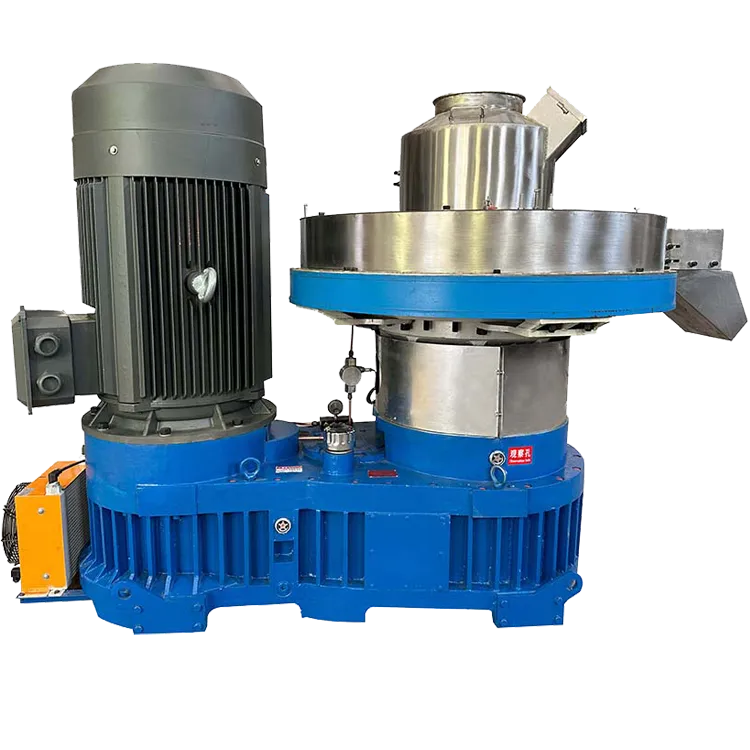
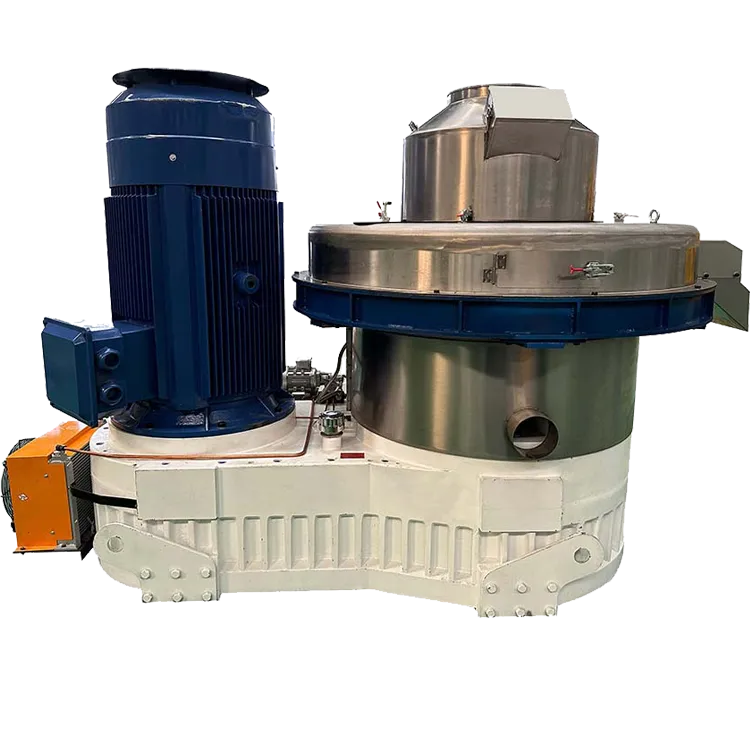
Industrial Ring Die Pellet Mill: TCZL850 Reference Model

Model recommendation depends on raw material, moisture, pellet diameter, target capacity, voltage and working hours.
| Brand | TCPEL |
|---|---|
| Reference model | TCZL850 ring die pellet mill |
| Category | Biomass and wood pellet mill |
| Typical capacity | 2.5–3 t/h, depending on raw material and project conditions |
| Main motor | 220 kW reference configuration |
| Project scope | Single machine or complete line |
| Quotation info | Confirm material, capacity, pellet size, voltage and destination port |
View the pellet mill working test on this page without loading the player before click.
View the pellet mill production reference video on this page.
TCZL850 as a Representative Industrial Model
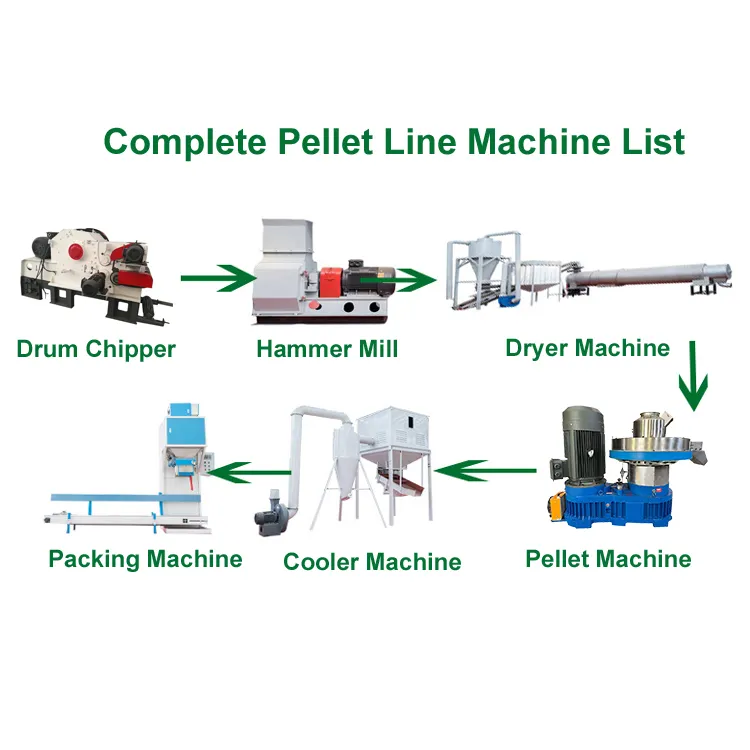
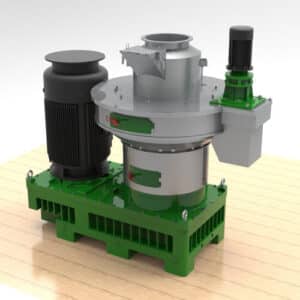
TCPEL industrial pellet mills are vertical ring die machines designed for commercial biomass and wood pellet production. This page uses the TCZL850 as a representative model and explains where an industrial ring die pellet mill fits, what project information affects model selection, and when a standalone mill is not enough. Start with the raw material, target pellet, required output, operating schedule, power standard, and upstream preparation needs. Then compare the appropriate TCZL model and decide whether the project also requires crushing, drying, cooling, conveying, or packing equipment as part of a complete pellet line. Final configuration must be confirmed against the actual material and project conditions.
Industrial Ring Die Pellet Mill: Quick Answer
When should you choose an industrial ring die pellet mill?
Choose an industrial ring die pellet mill when a commercial biomass or wood project requires sustained production from properly prepared material. Selection should start with the raw material, target pellet, required output, operating schedule, power standard, and whether upstream preparation or downstream handling is needed. A TCZL850 can serve as a reference model for project evaluation, but it is not a universal choice. TCPEL should confirm the final mill, die, motor, and line configuration from the buyer’s material data and production requirements.
For a broader product overview, browse the full pellet machine range. To compare machine families by material and capacity, use the pellet machine selection hub. Industrial wood and biomass projects can also review wood pellet machine options for the product-family route.
When to Choose an Industrial Ring Die Pellet Mill
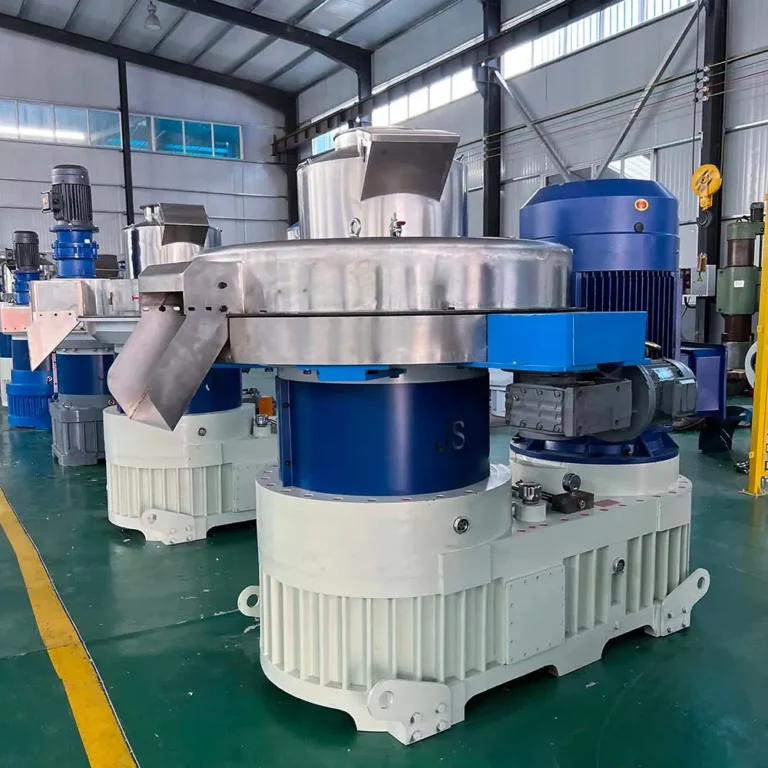
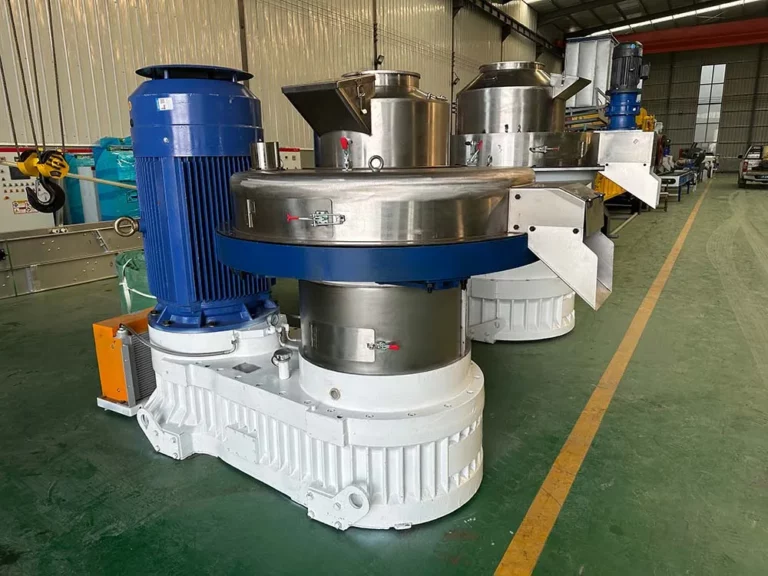
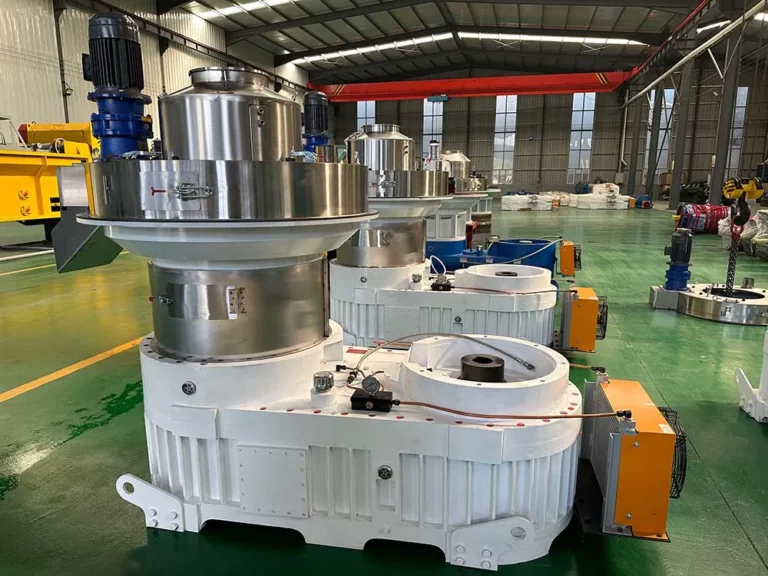
The machine frame is designed for continuous industrial pellet production. Foundation, installation space, feeding height and discharge direction should be confirmed before final layout.
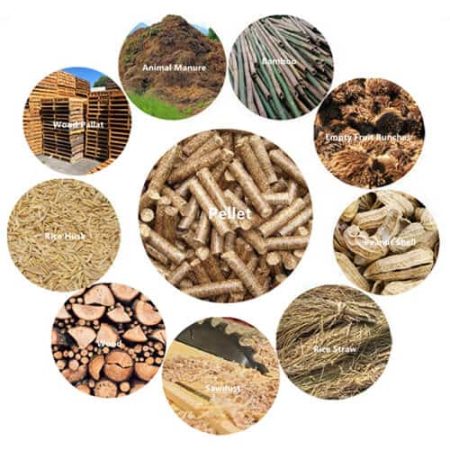
Suitable raw materials may include sawdust, wood chips after grinding, rice husk, palm residue, straw and other biomass. Moisture, particle size and material cleanliness should be checked before pelletizing.
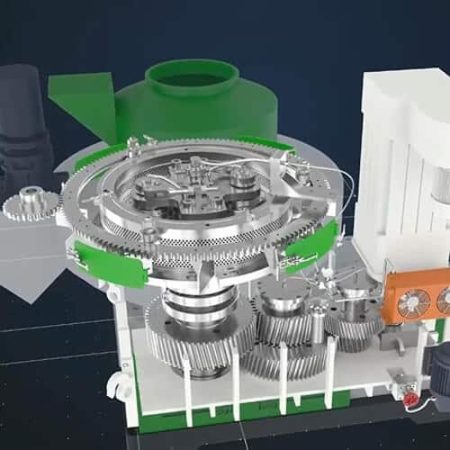
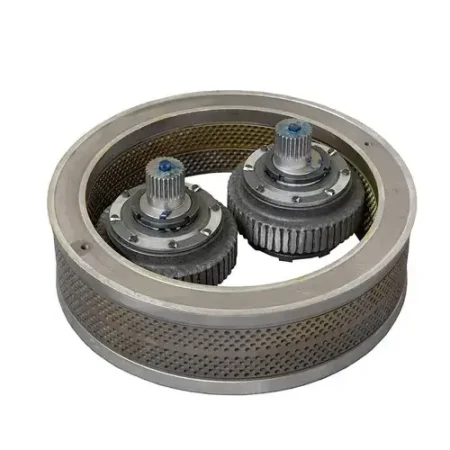
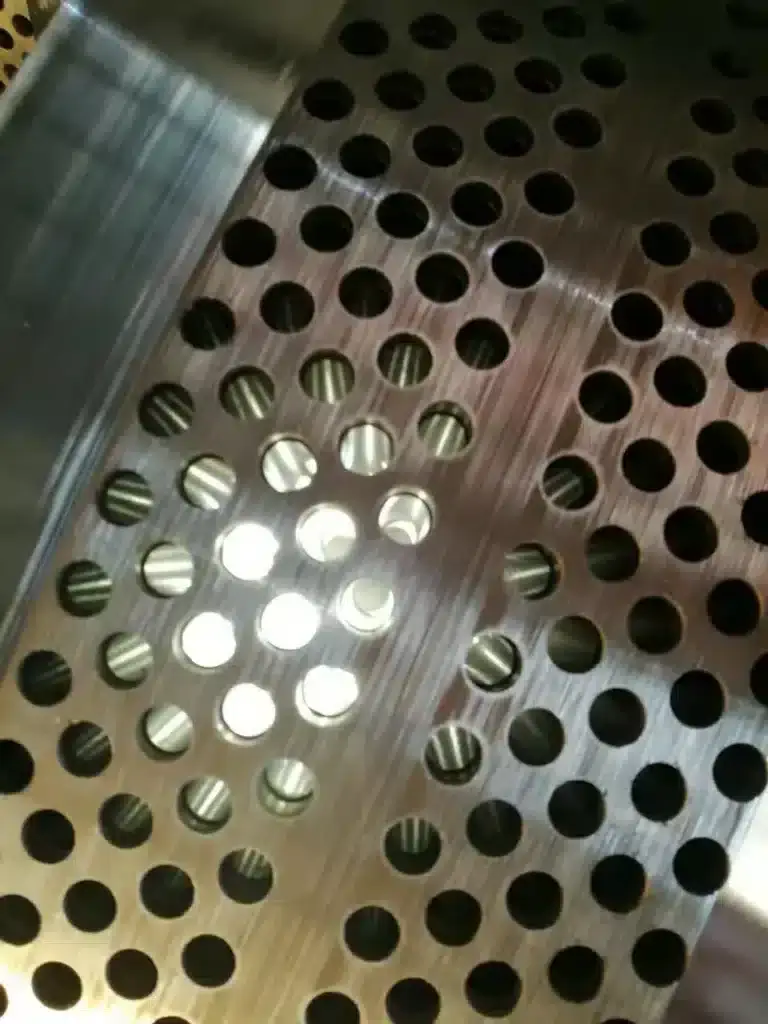
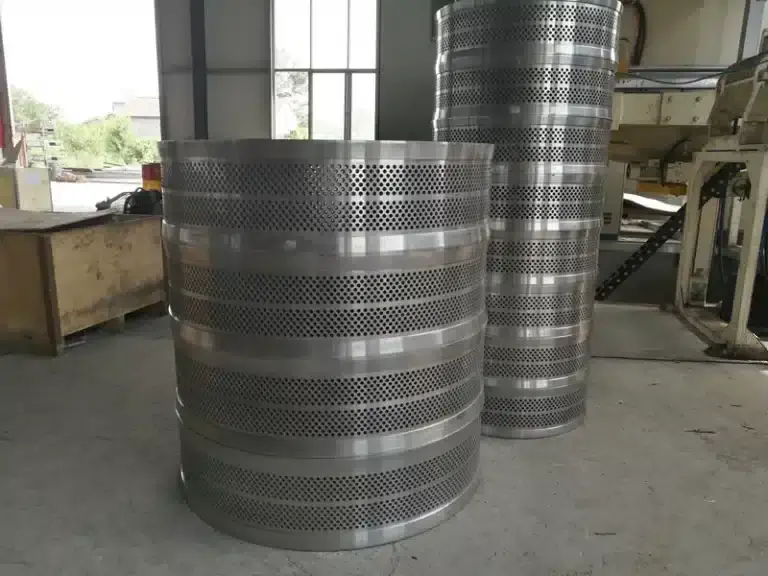
Ring die material, hole size and compression ratio should match the raw material and pellet diameter. Die service life depends on formula, impurities, lubrication and operating hours.
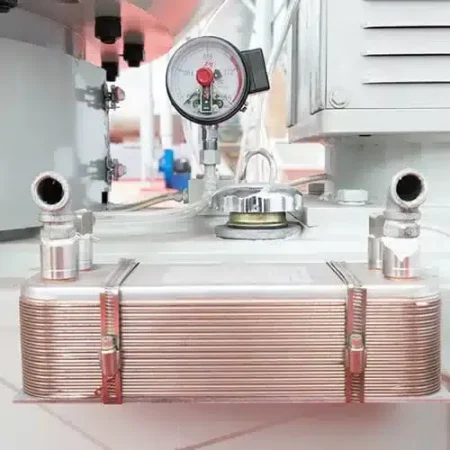
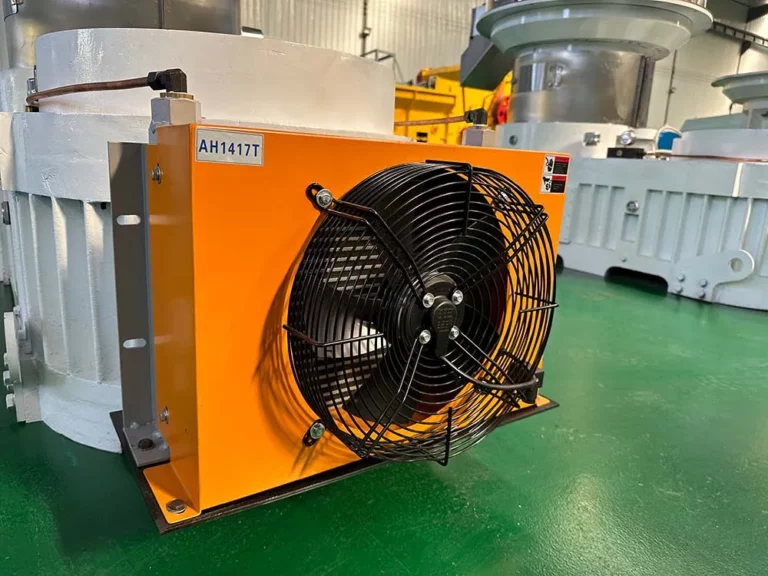
Cooling around the pelletizing area supports more stable operation during long shifts. The complete line should still include a pellet cooler before screening and packing.
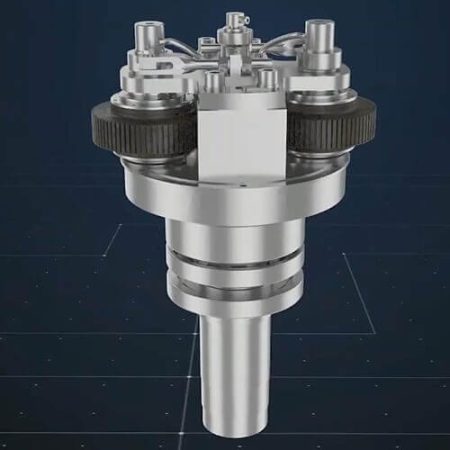
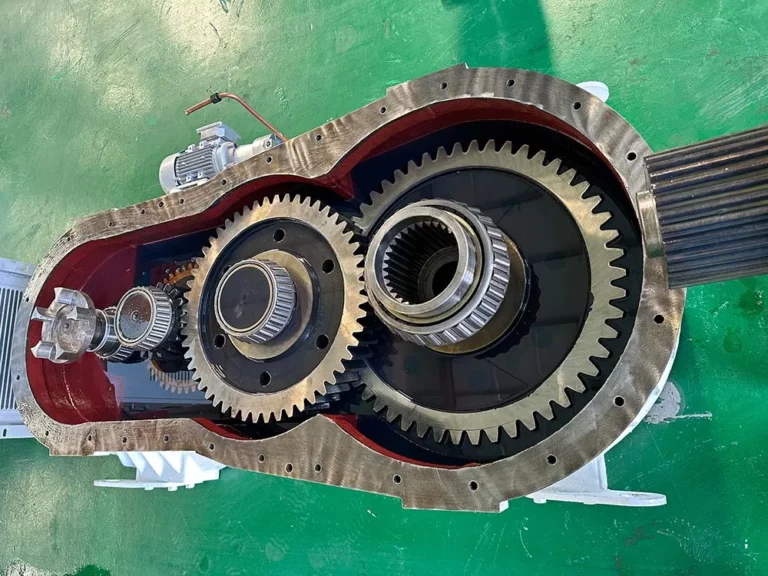
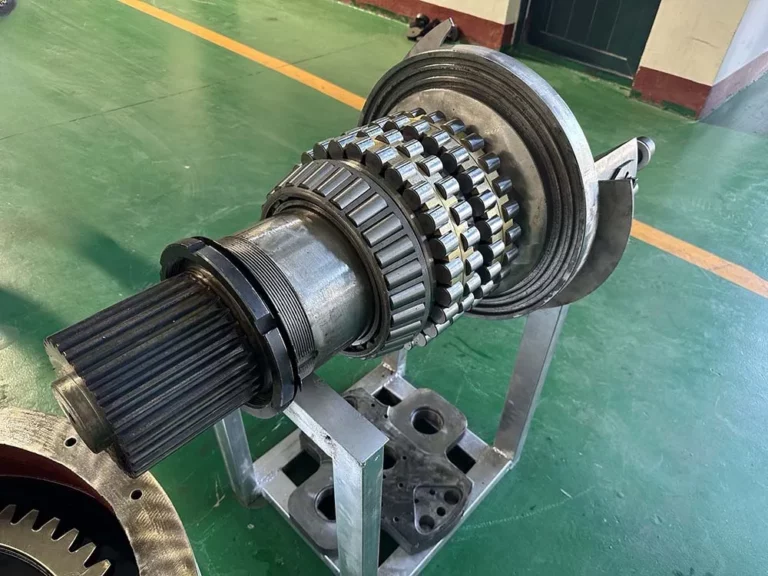
The main shaft and transmission parts should be inspected and lubricated according to the maintenance schedule. Stable transmission helps maintain pellet quality and reduce abnormal wear.
Vertical ring die machines can support industrial biomass and wood pellet production when raw material is prepared correctly. Animal-feed projects require feed-specific process review; compare feed pellet equipment instead of treating feed as this page’s primary application.
TCZL850 Reference Parameters and Configuration
| Item | TCZL850 reference configuration |
|---|---|
| Type | Ring die pellet mill for biomass and wood pellet production |
| Typical output | 2.5–3 t/h, depending on raw material, moisture, die and working conditions |
| Main motor | 220 kW reference configuration |
| Pellet diameter | Commonly 6 mm, 8 mm, 10 mm or 12 mm; final die depends on project requirement |
| Ring die material | 4Cr13 stainless steel reference material |
| Roller shell | 55# steel reference material |
| Machine weight | About 12 t reference value |
| Machine size | About 3000 x 1500 x 2300 mm reference value |
Use these parameters as a model reference only. TCPEL should confirm the final model, die, motor, voltage and auxiliary equipment after reviewing your raw material and target output.
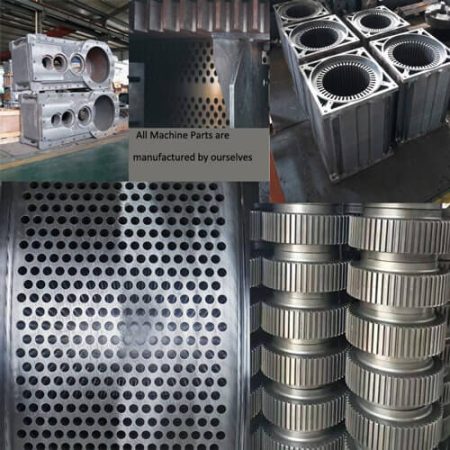
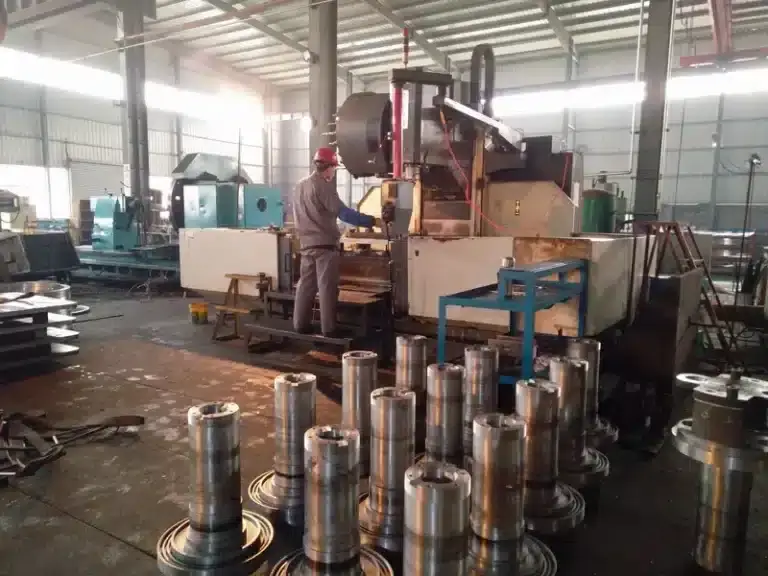
Pellet Mill Detailed Pictures
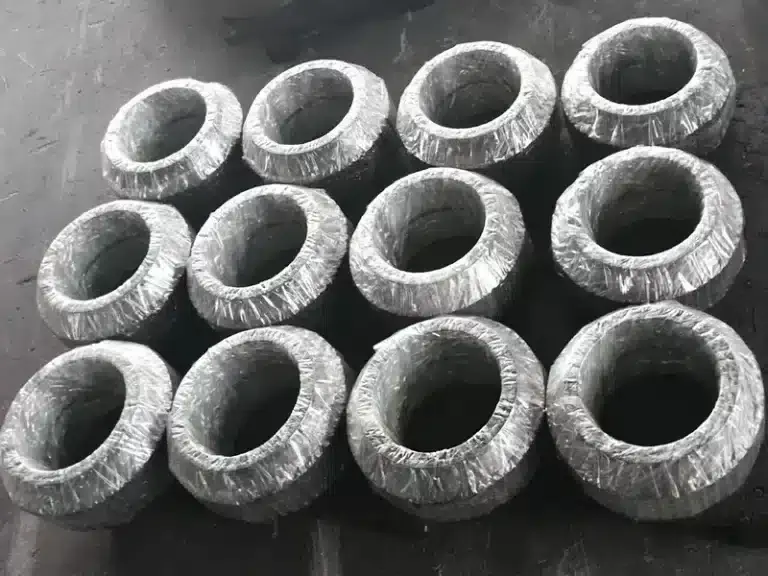
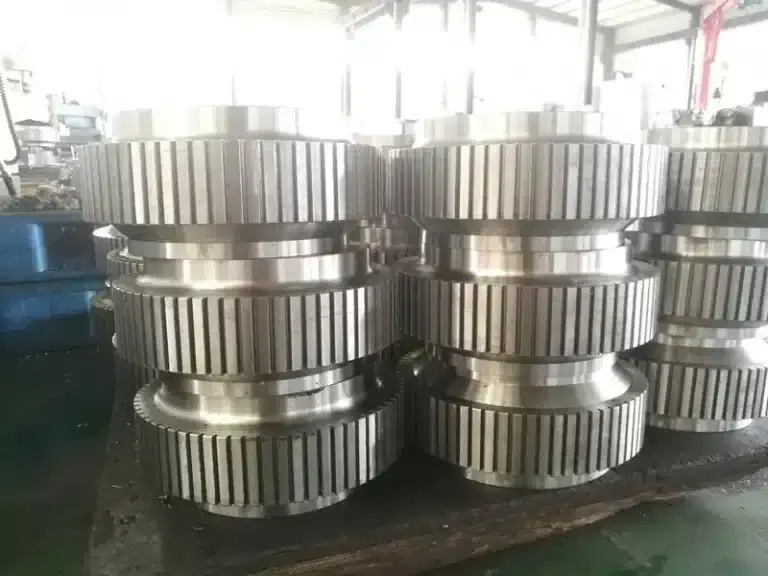
Pellet Mill Spare Parts
Industrial Pellet Mill Selection Logic

A pellet mill should be selected according to raw material, target capacity, pellet diameter, moisture, working hours and complete line layout. For biomass and wood pellet projects, crushing, drying, cooling and packing equipment should be evaluated together with the pellet mill.
View industrial pellet mill selection details
Industrial Pellet Mill Selection Logic
- Raw material: identify the biomass or wood material and how it will be prepared.
- Target pellet: confirm the finished pellet application and required diameter.
- Required output and schedule: define project output and daily operating schedule.
- Feedstock preparation: review whether the project needs raw-material size reduction equipment or industrial biomass drying equipment.
- TCZL model review: compare the suitable vertical ring die family after the material and production requirements are known.
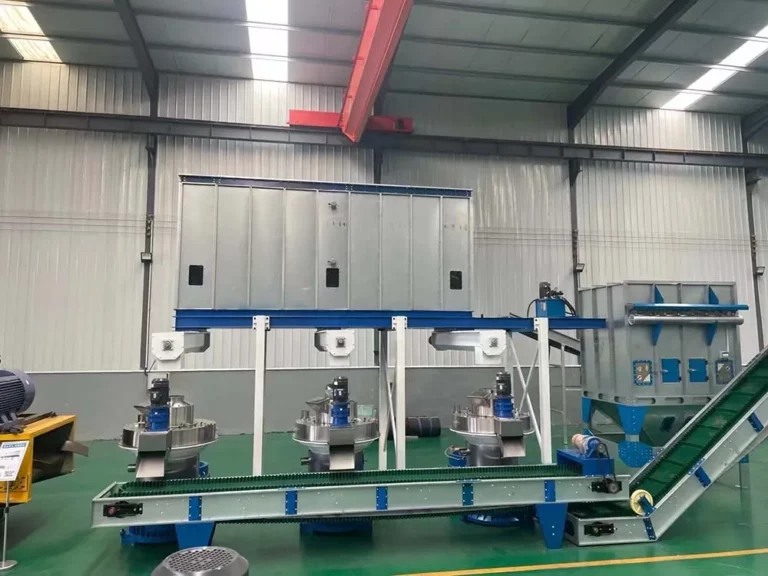
- Project scope: decide whether a standalone mill is enough or a complete industrial pellet production line is required.
When a Different Machine Route Is More Appropriate
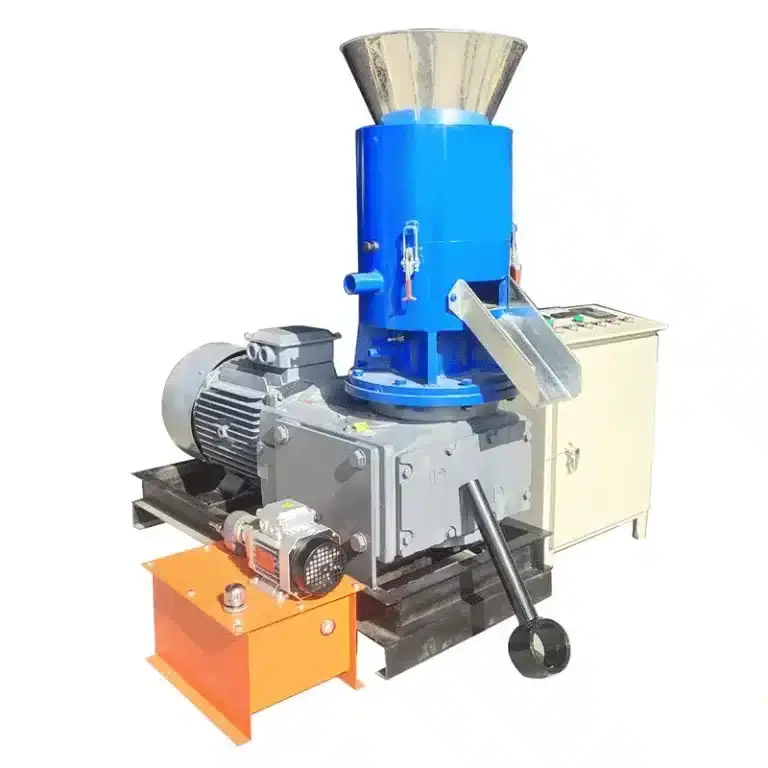
Smaller-scale projects or different process conditions may require a flat die route, while feed projects require feed-specific equipment. Use the guide to compare flat die and ring die pellet mills before choosing a technology.
Standalone Pellet Mill or Complete Line?
A standalone mill may fit a project that already has suitable material preparation and downstream handling. A complete line should be reviewed when crushing, drying, cooling, conveying, screening or packing must be integrated with pelletizing.
Information Needed Before an Industrial Project Review
For an industrial pellet mill project review, please send:
- Raw material type, representative photos or video, and current preparation method.
- Target pellet application and required pellet diameter.
- Required output and daily operating schedule.
- Initial moisture as a project input, without assuming a universal target.
- Available power supply and installation country.
- Whether the project needs a standalone mill or an integrated line.
Send industrial pellet mill requirements by WhatsApp.
Industrial Pellet Mill FAQ
When should I choose an industrial ring die pellet mill?
Choose this route when a commercial biomass or wood project requires sustained production and the material preparation, operating schedule and line scope support an industrial ring die process.
Is the TCZL850 suitable for every project?
No. The TCZL850 is a representative industrial model, not a universal default. TCPEL must confirm the appropriate model from the material, target pellet, required output, operating schedule, power standard and project scope.
Can an industrial pellet mill process both wood and biomass?
Prepared wood and supported biomass materials can follow an industrial ring die route, but the material condition, die configuration and process line must be reviewed for the specific project.
Do I need a standalone pellet mill or a complete line?
A standalone mill may be appropriate when the project already has suitable material preparation and downstream handling. Otherwise, crushing, drying, cooling, conveying, screening or packing may need to be integrated.
What information does TCPEL need before recommending a model?
Provide the raw material, target pellet, required output, pellet diameter, initial moisture, operating schedule, available power and full project scope.
Request an Industrial Pellet Mill Project Review
Tell TCPEL your raw material, target pellet, required output, operating schedule, available power and project scope. Our team can review whether a standalone industrial pellet mill or a complete line is the appropriate next step. Final machine and line configuration will be confirmed against your material and production requirements.