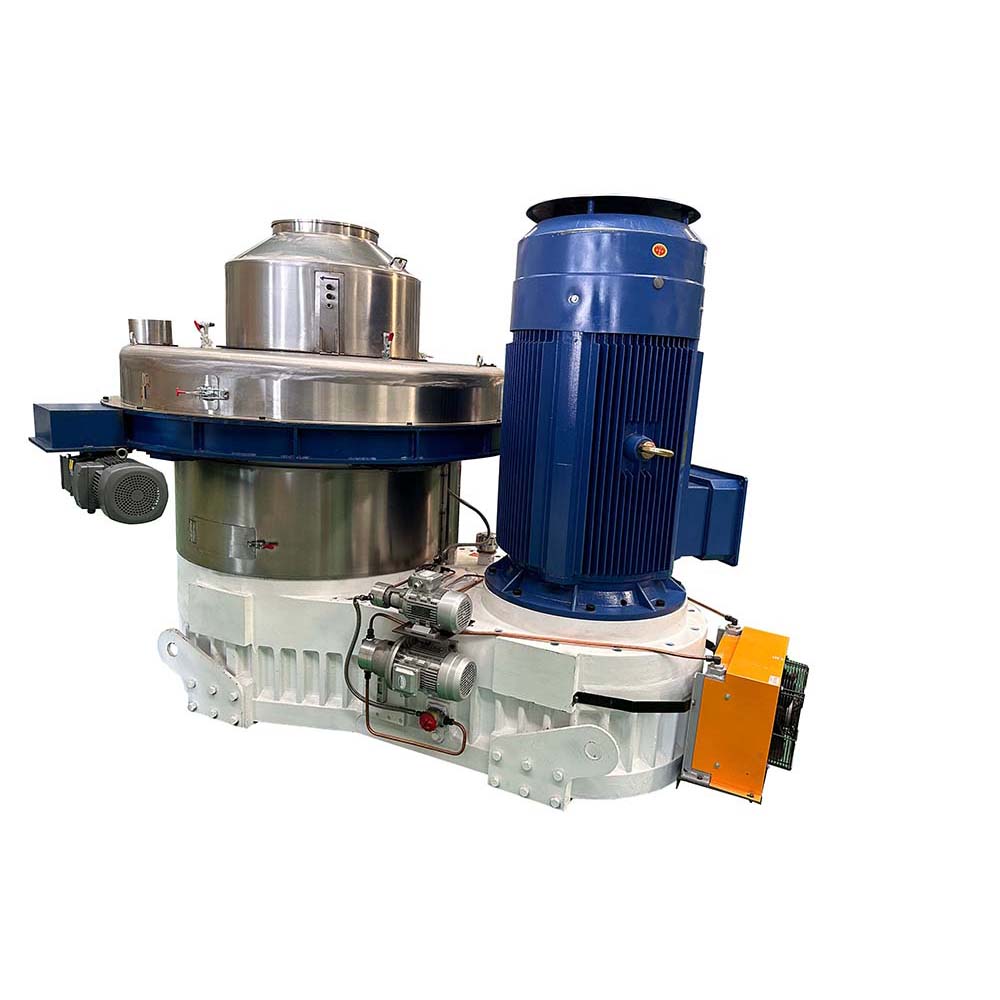
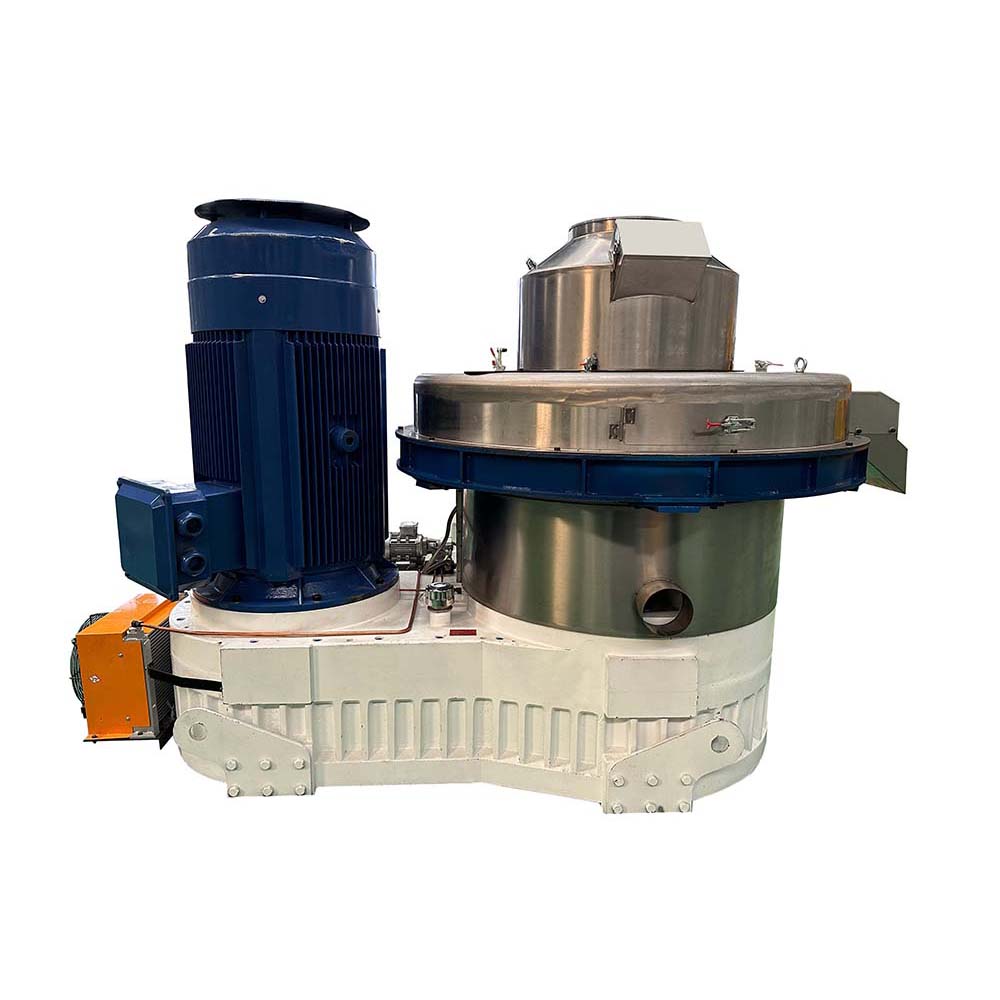
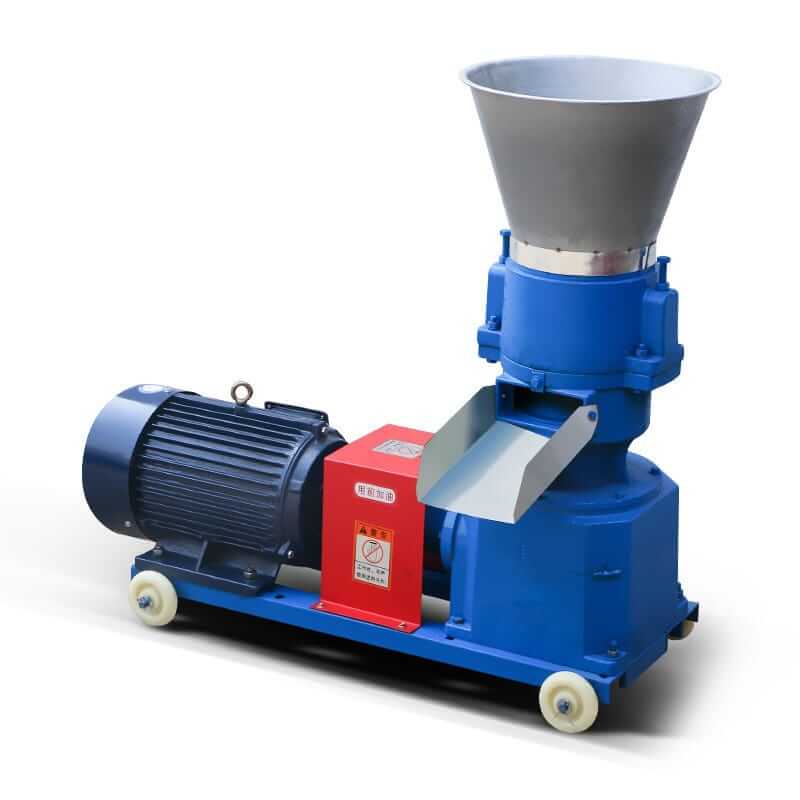
Flat Die Pellet Machine Product Family and Buyer Fit
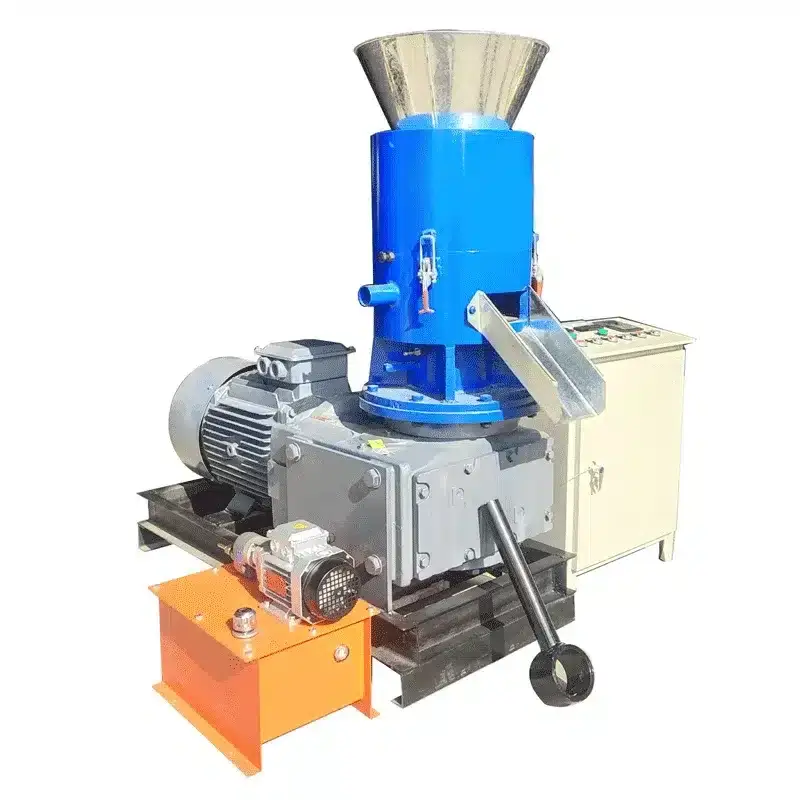
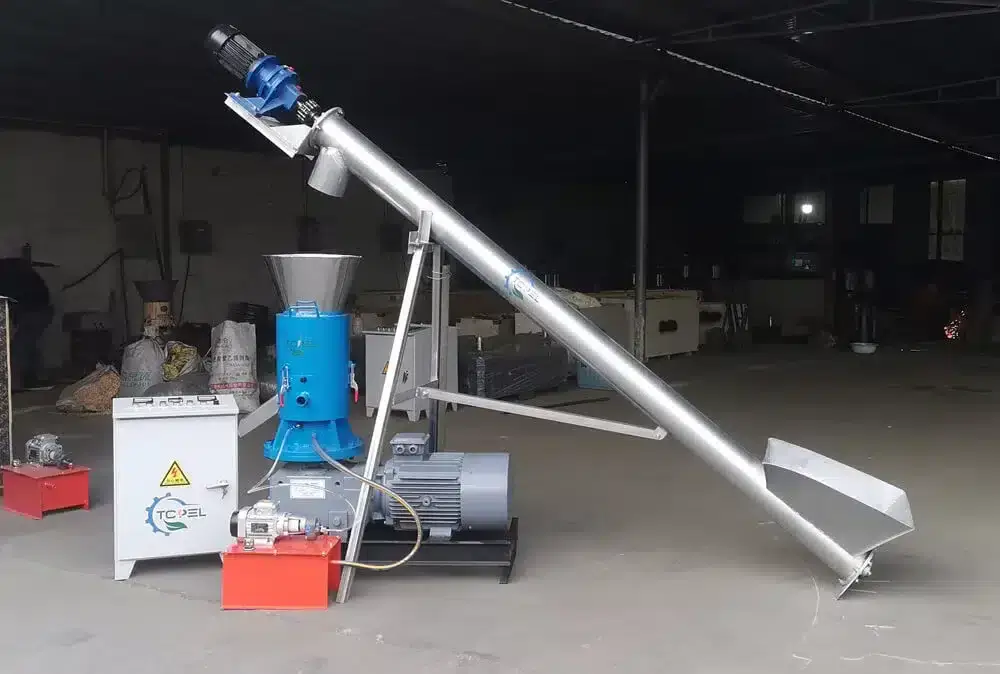
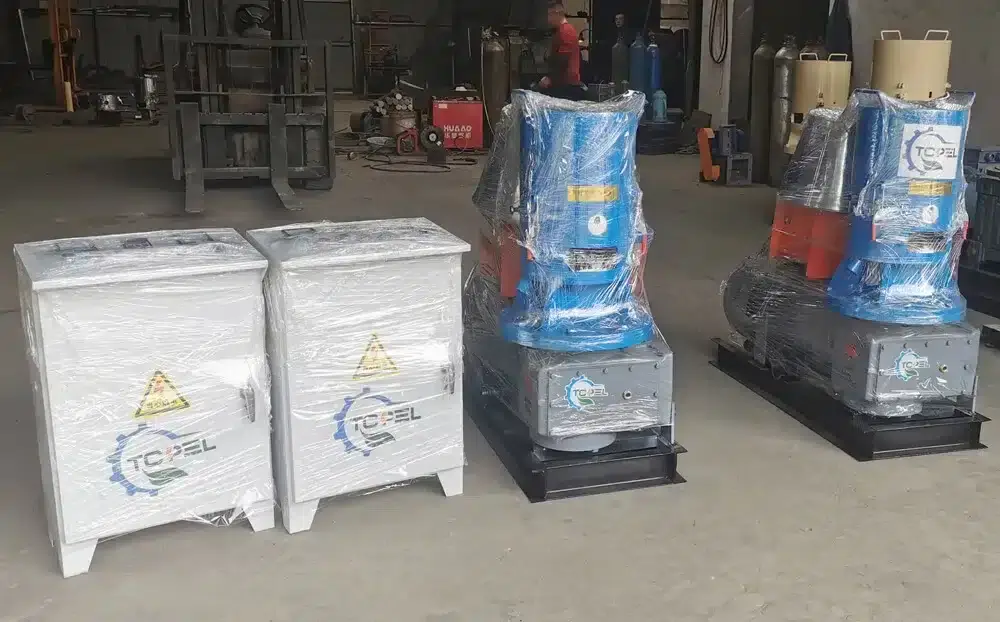
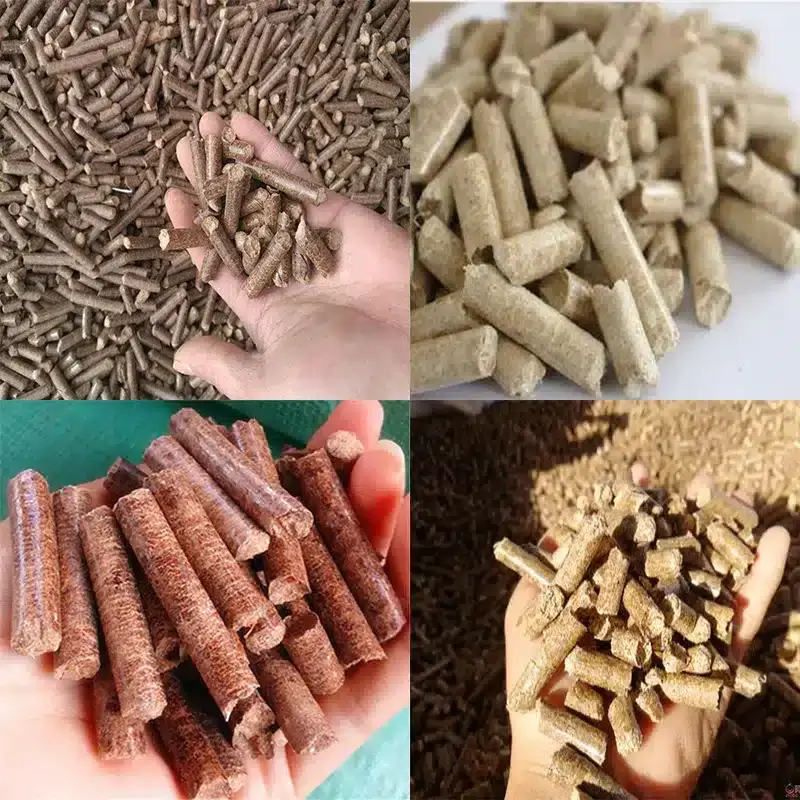
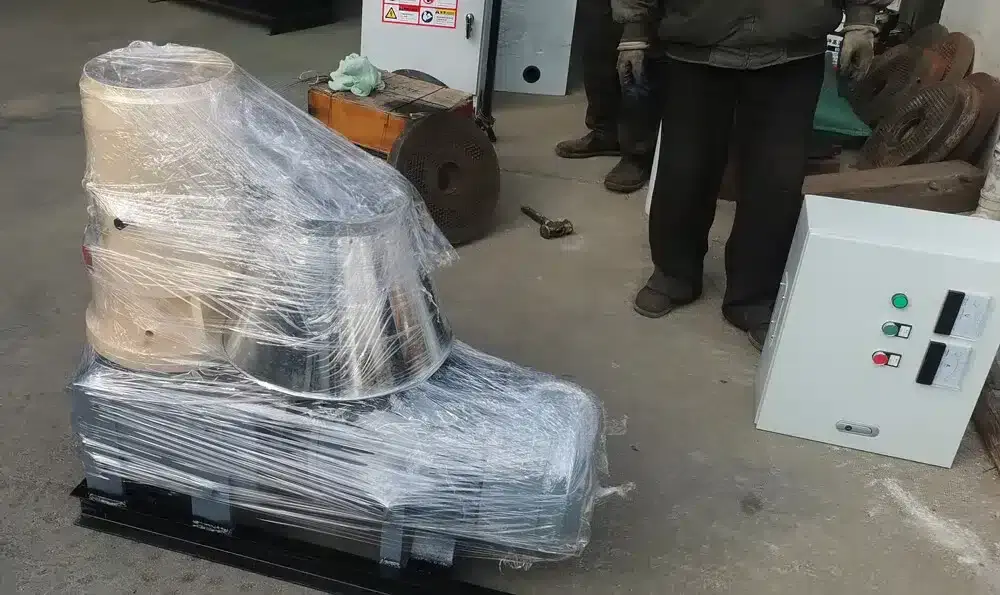
TCPEL flat die pellet machines are designed for feed and biomass pellet production using prepared materials such as wood sawdust, grass, straw, ground nut shell, corn straw and other agricultural residues. The current TCZL flat die range covers eight models and nine verified configurations, allowing buyers to match machine power and output to the required production scale without moving immediately to an industrial ring die system. Model selection should start with the raw material, target pellet, required hourly output and operating schedule, then consider whether a standalone pellet machine is sufficient or the project also needs upstream preparation and downstream handling equipment.
Quick Answer: When Should You Choose a Flat Die Pellet Machine?
A flat die pellet machine compresses prepared feed or biomass material through a flat die to form pellets. It is suitable for commercial projects where a compact flat-die system fits the required output and operating schedule better than a larger industrial ring-die line. TCPEL’s current flat-die range includes TCZL200, TCZL250, TCZL300, TCZL350, TCZL400, TCZL450, TCZL550 and TCZL650, with two verified TCZL550 configurations. Select the machine by raw material, required output, working hours and project scope, using the verified model specifications rather than a single generic capacity claim.
How to Choose a Flat Die Pellet Machine
Use this flat-die-specific sequence to review a project before selecting a current TCZL model or configuration:
Raw material: identify the prepared feed ingredients, wood sawdust, grass, straw, ground nut shell, corn straw or other supported agricultural residue.
Target pellet and application: confirm whether the project is for animal feed pellets or biomass pellets.
Required output: match the hourly requirement to the verified model table.
Operating schedule: consider planned working hours and whether continuous higher-output production changes the technology choice.
Model or configuration: review the current TCZL flat-die specifications without combining values from different configurations.
Machine or line scope: decide whether a standalone pellet machine is sufficient or upstream and downstream equipment is required.
Decision path: Raw Material → Target Pellet / Application → Required Output → Operating Schedule → Flat Die Model / Configuration → Standalone Machine or Complete Pellet Line.
Feed and Biomass Applications
The owner-approved current brochure supports the TCZL flat-die series at series level for animal feed pellets and biomass pellets using suitable prepared materials. For dedicated inclined-roller feed equipment, review the TCF feed pellet machine series. For deeper biomass or wood product-family information, review biomass pellet machine applications and wood pellet machine options.
Flat Die vs Industrial Ring Die
Flat die equipment serves projects whose required output, operating schedule and application fit the current TCZL configurations. Industrial ring die equipment is reviewed when continuous higher-output production becomes more important. Use the flat die vs ring die pellet mill comparison for the detailed technology decision, or review industrial ring die pellet mills.
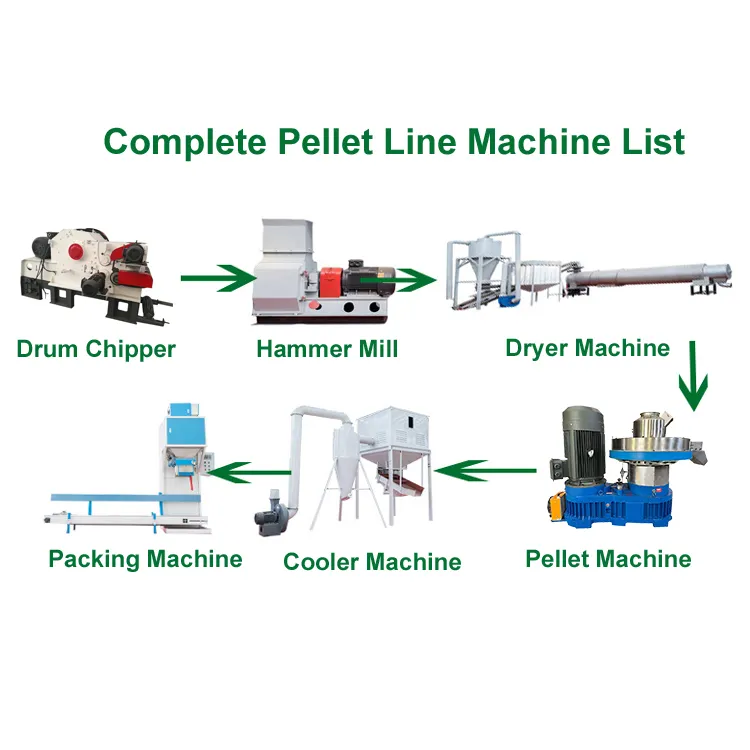
Standalone Machine vs Complete Pellet Line
A standalone flat die pellet machine may be sufficient when material is already prepared and the buyer has suitable handling equipment. Projects that also need size reduction, conveying, cooling, screening or packing should evaluate a complete pellet production line. Where preparation requires size reduction, review raw-material size reduction with a hammer mill.
Current TCZL Flat Die Models and Verified Configurations
Model
Power (kW)
Wood Pellet Capacity (kg/h)
Weight (kg)
Dimensions (mm)
TCZL200
11
100
500
1080 × 490 × 1090
TCZL250
15
100–200
600
1120 × 440 × 1060
TCZL300
22
200–300
800
1230 × 630 × 1030
TCZL350
30
300–400
850
1380 × 630 × 1280
TCZL400
37
400–500
1200
1380 × 680 × 1300
TCZL450
55
600–800
1600
1480 × 730 × 1380
TCZL550
75
800–1000
2200
1580 × 730 × 1480
TCZL550
90
1000–1200
2800
2000 × 1000 × 1800
TCZL650
110
1200–1400
3200
2000 × 1000 × 1800
TCZL550 is shown as two current configurations. Final selection should be confirmed against the project conditions and order scope.
Flat Die Pellet Mill Advantages and Maintenance Points
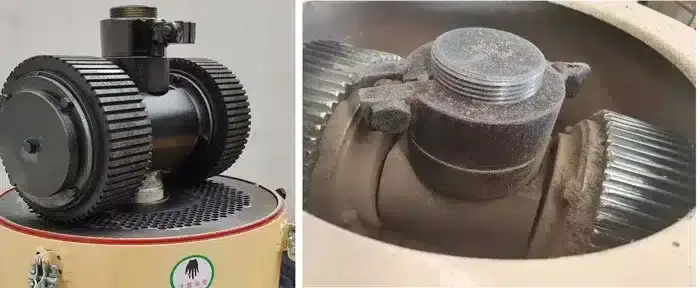
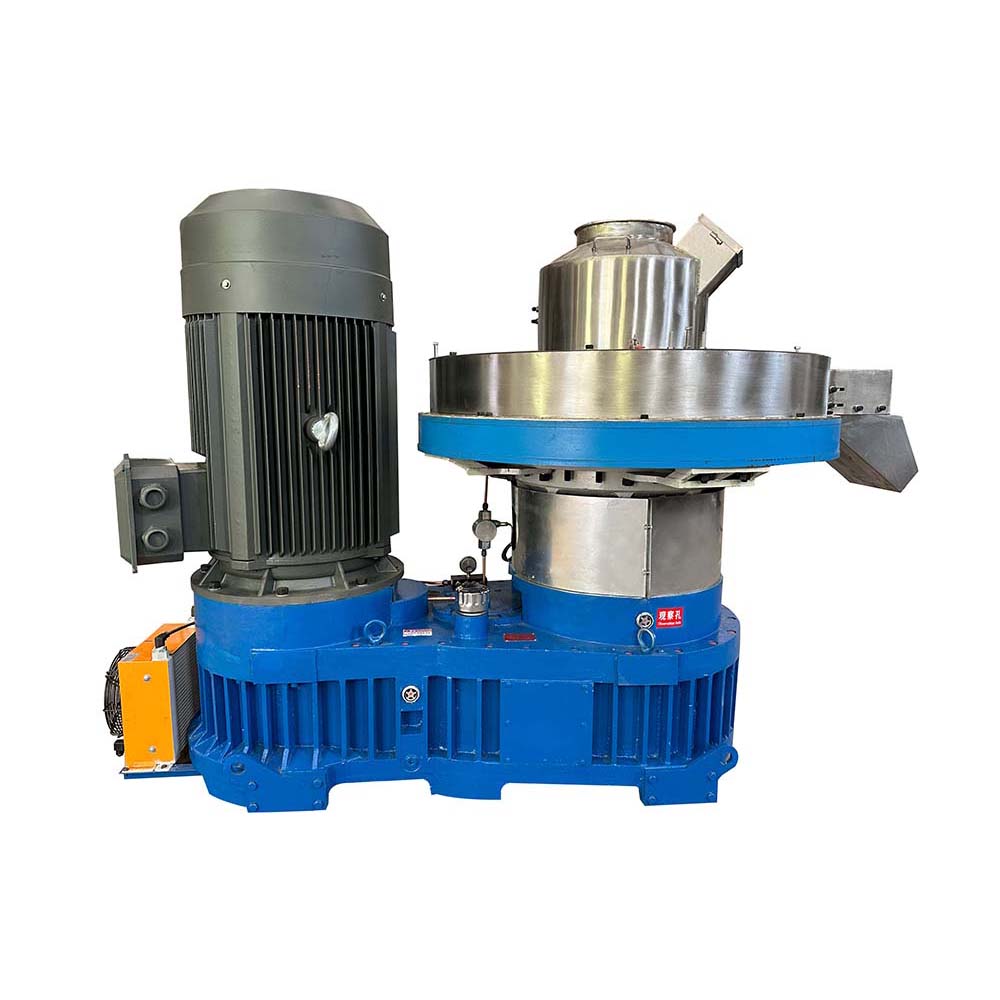
The central spindle is quenched and tempered to support stable operation under normal pelletizing load. Final machine selection should match raw material and working hours.
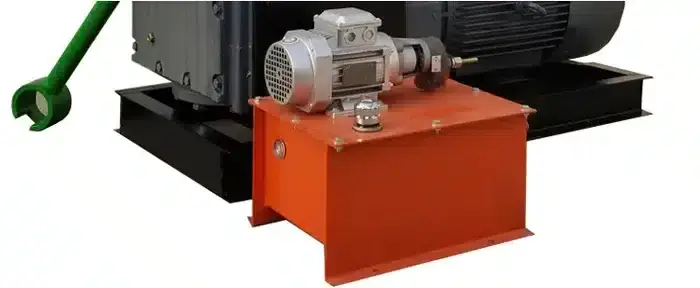
The lubrication system supports routine maintenance of the main shaft. Check oil type and maintenance interval according to the machine manual and production load.
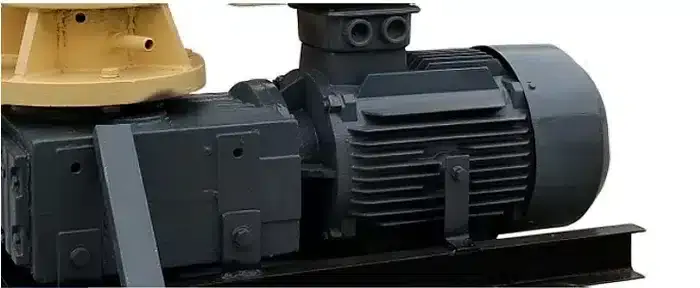
Motor configuration is selected according to model, power requirement and destination voltage. Confirm local voltage and frequency before quotation.
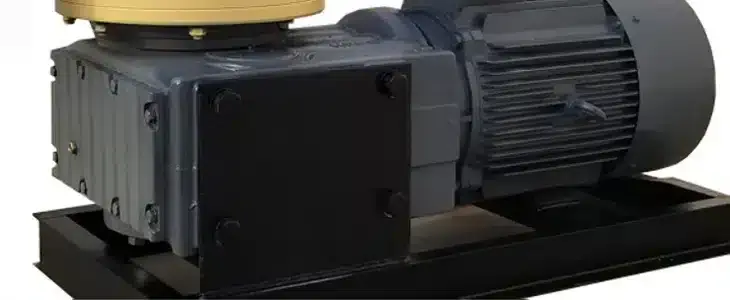
The flat die pelletizer uses an industrial strong gearbox to support stable power transmission. Final configuration should be selected for the actual raw material, output requirement and operating schedule.
A flat die pellet machine compresses prepared feed or biomass material through a flat die to form pellets. It is a distinct product family from the TCF inclined-roller feed series and from larger industrial ring-die mills.
The owner-approved current brochure supports suitable wood sawdust, grass, straw, ground nut shell, corn straw and other agricultural residues at series level for animal feed pellets and biomass pellets. Suitability must still be confirmed for the actual project.
Start with the raw material, target pellet or application, required hourly output and operating schedule. Then compare the verified current model table and decide whether the project needs a standalone machine or a complete line.
The current TCZL flat-die brochure supports animal feed pellets and biomass pellets at series level. It does not assign a dedicated application to each individual model, so model-specific suitability should be confirmed before quotation.
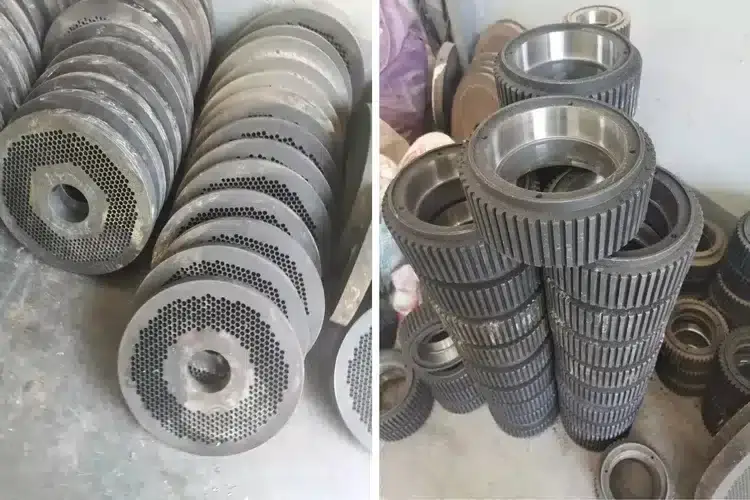
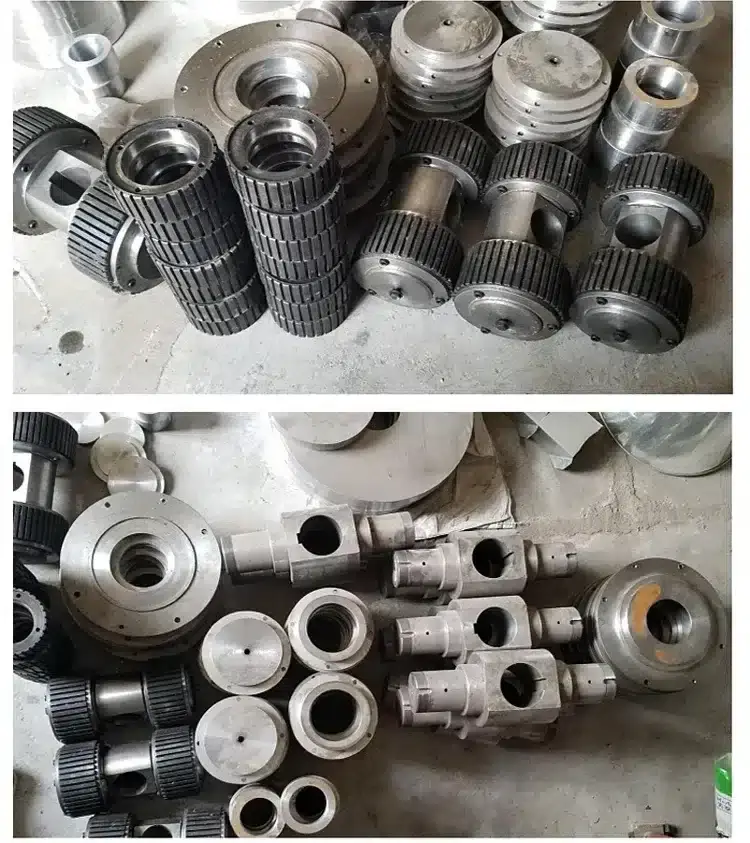
Inspect the die, roller, lubrication system and fasteners as part of routine maintenance. The appropriate interval depends on the material, production load and machine manual; this page does not apply one universal interval to every project.
Evaluate an industrial ring die mill when the project requires continuous higher-output production or a larger integrated line. Compare the operating schedule, production target and line scope instead of choosing by machine name alone.
The two technologies use different die arrangements and serve different project requirements. This page focuses on the TCZL flat-die family; use the dedicated comparison guide for the full technology decision.
A standalone machine may be sufficient when the raw material is already prepared and suitable upstream and downstream handling is available. Otherwise, the project may need crushing, conveying, cooling, screening or packing equipment.
The die, rollers, bearings, seals, fasteners and lubrication-related parts should be included in routine checks. Replacement decisions should follow wear condition, the machine manual and the actual production load.
Send the raw material, application, required capacity, operating schedule, destination power supply and project scope. TCPEL can then review the suitable current model or configuration and whether a standalone machine or complete line is appropriate.